
Product Truth Is the New Production Standard
In most industries an image sells a feeling. In fashion, the image also has to sell the product—and the customer will hold you to it the moment the parcel arrives.
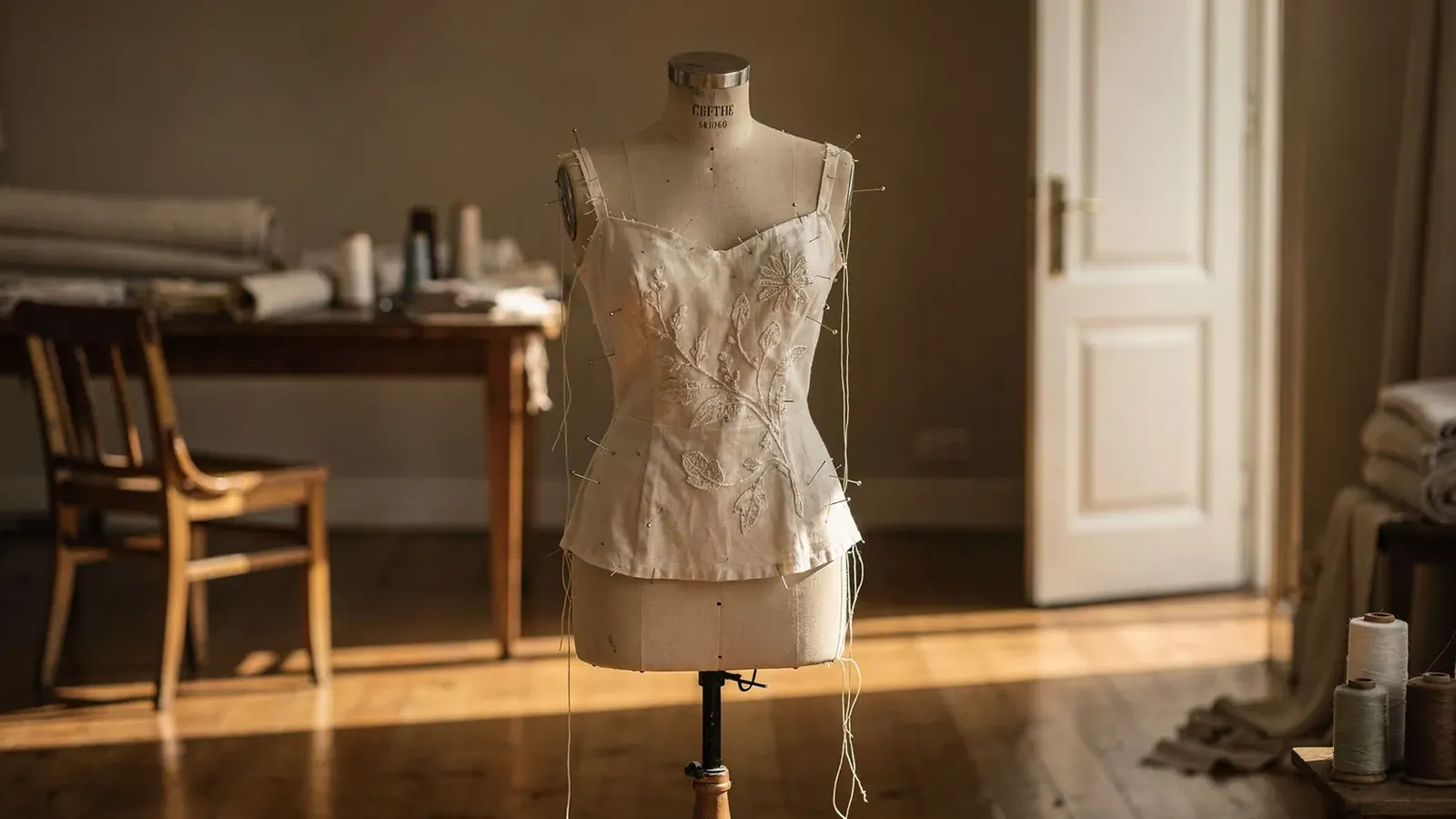
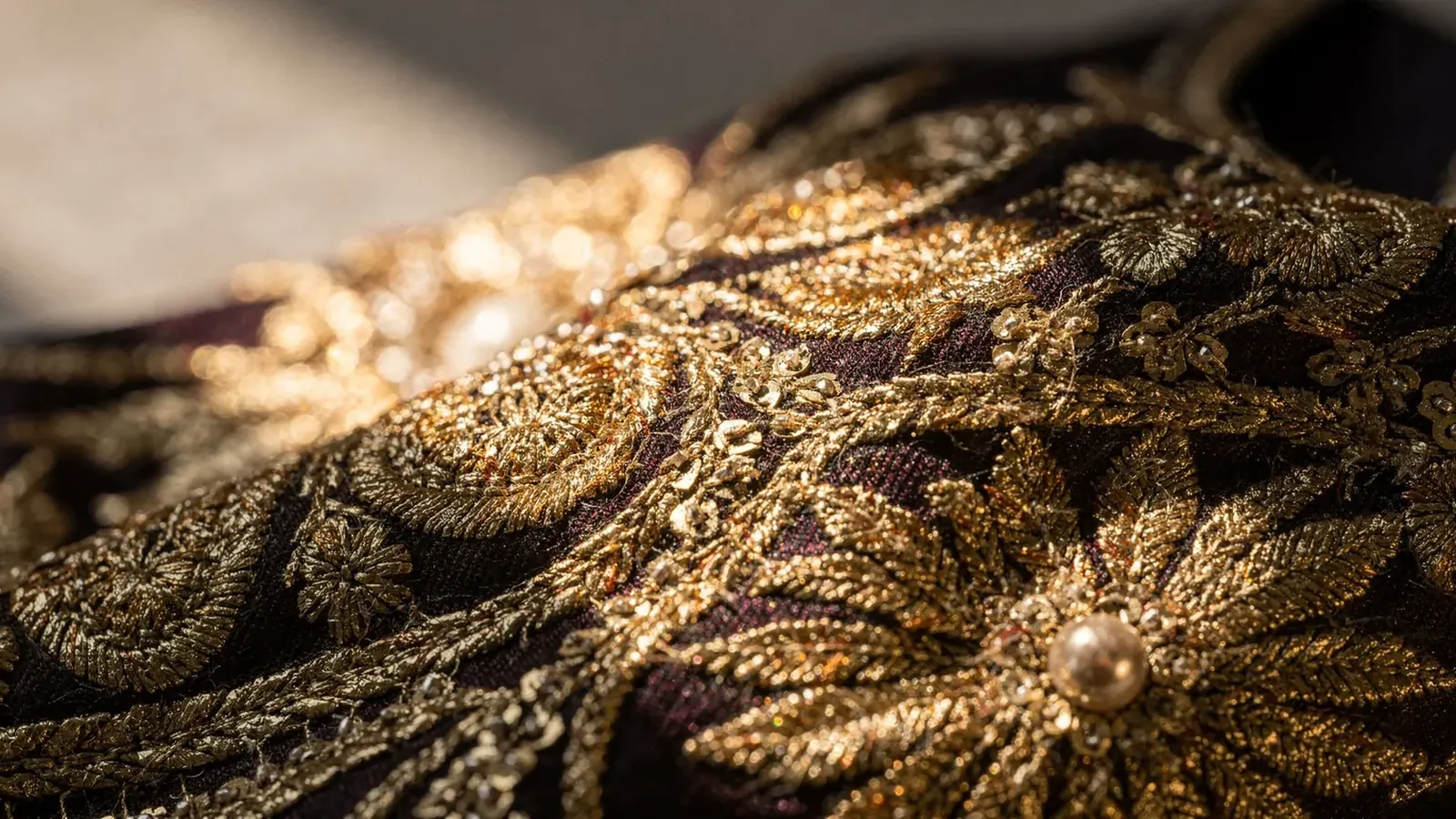
A campaign can be beautiful and still be a lie: a neckline the real garment doesn’t have, embroidery the model invented, a print the loom never wove. It photographs perfectly. It just isn’t true.
The product is not decoration
When a generative model “improves” a garment, it is quietly rewriting your product. That gap between the image and the item is where returns, complaints and lost trust live. In fashion, fidelity isn’t a nicety—it’s the whole transaction.
What product truth demands
A fashion-specific system has to be willing to refuse things a general model happily invents:
- Garment alteration, embroidery invention and print distortion
- Colour drift and fabric flattening
- Incorrect dupatta placement, neckline changes and sleeve-length errors
- Button or trim changes and the wrong trouser silhouette
These are not aesthetic preferences. They are truth conditions.
Beauty gets attention. Truth keeps the customer.
A standard you can enforce
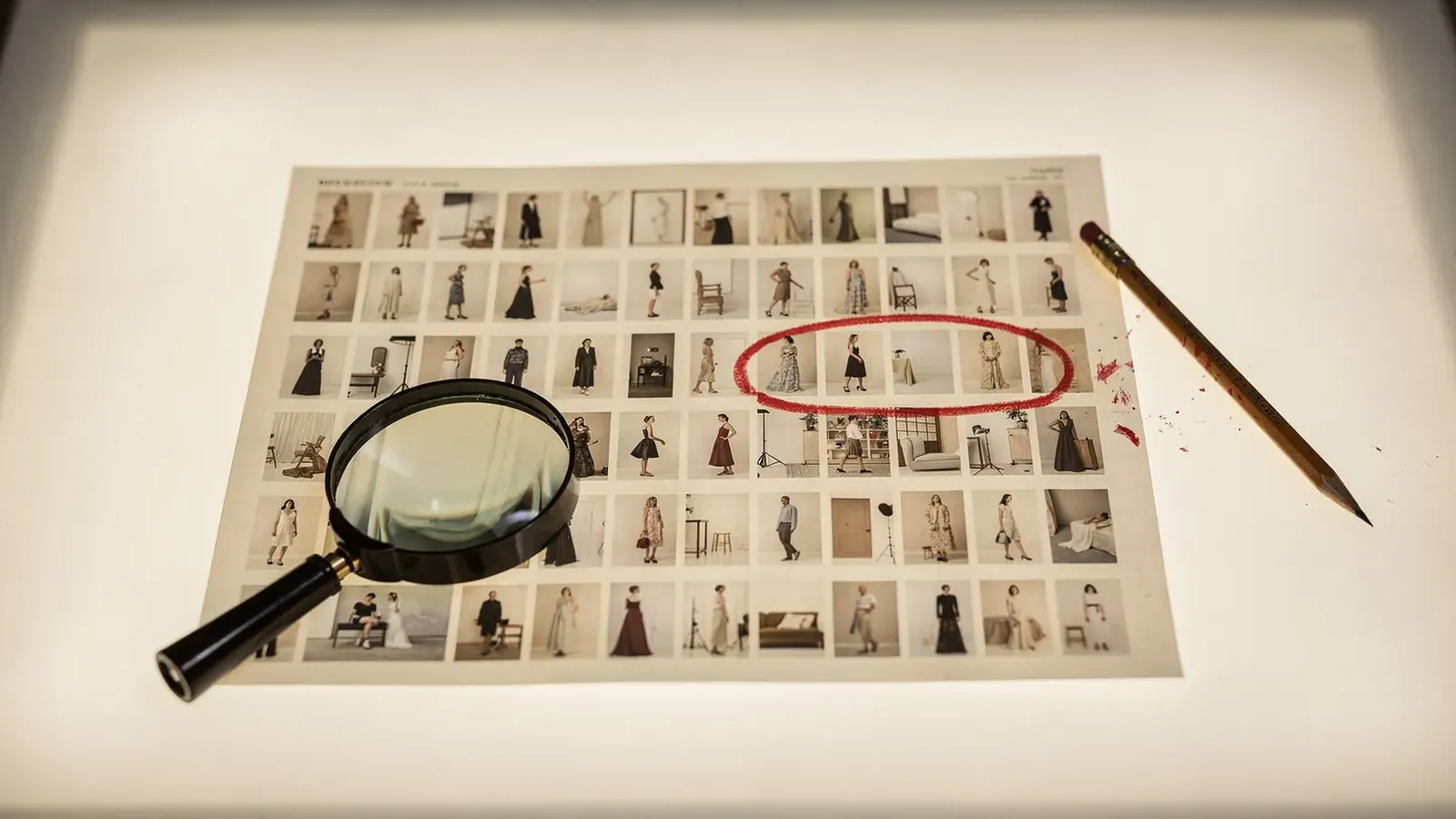
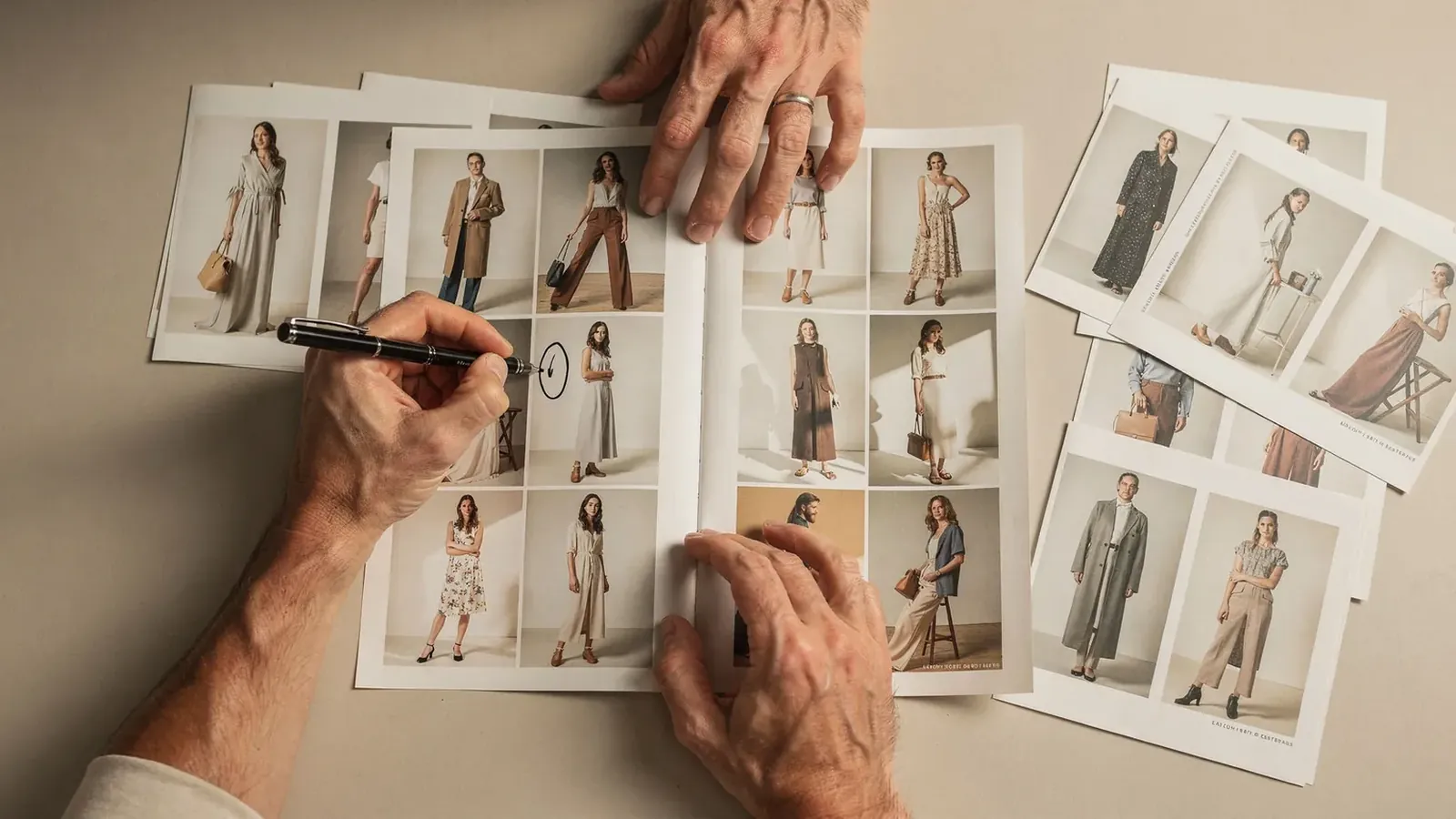
Product truth becomes a standard only when the errors are named and checked—a rejection taxonomy where every “no” is recorded with a reason and never has to be caught twice.
The honest version
We work with structured brand memory and human oversight, and we don’t claim error-free generations—no one honestly can. What we do is make the errors that matter catchable, and their repeats rare.
Tell us what
you're building
We'll map your production bottleneck and hand you a free sample — proof before you commit.
Get my free campaign sample →